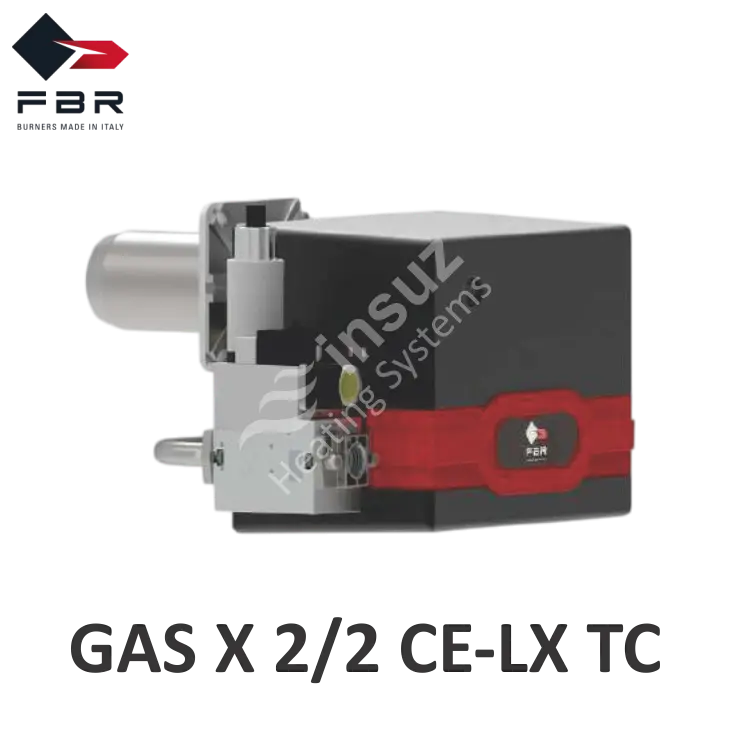
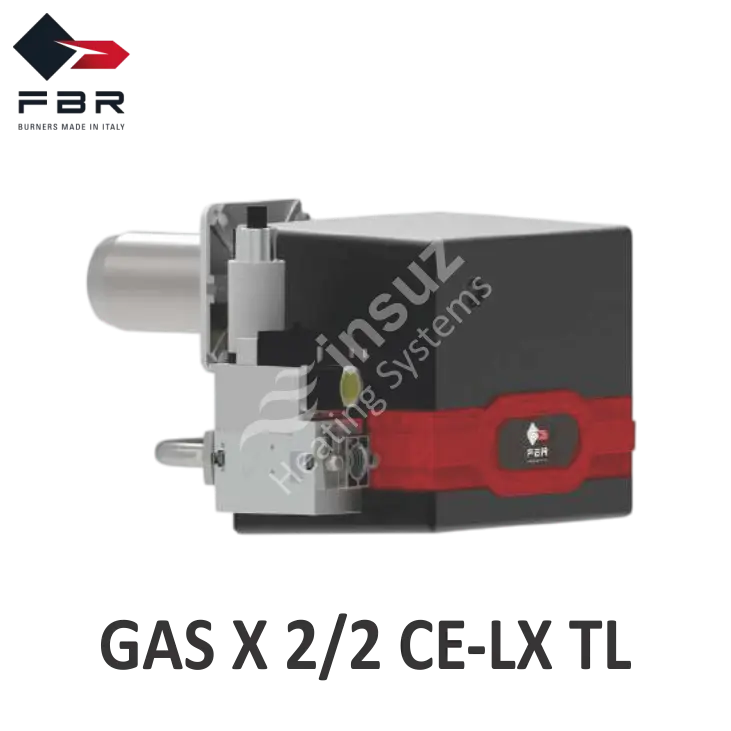
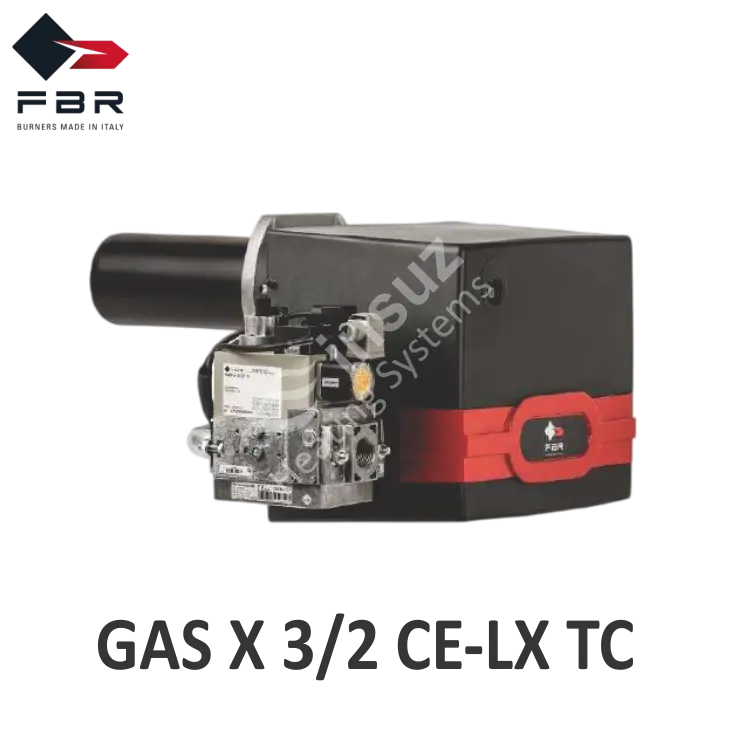
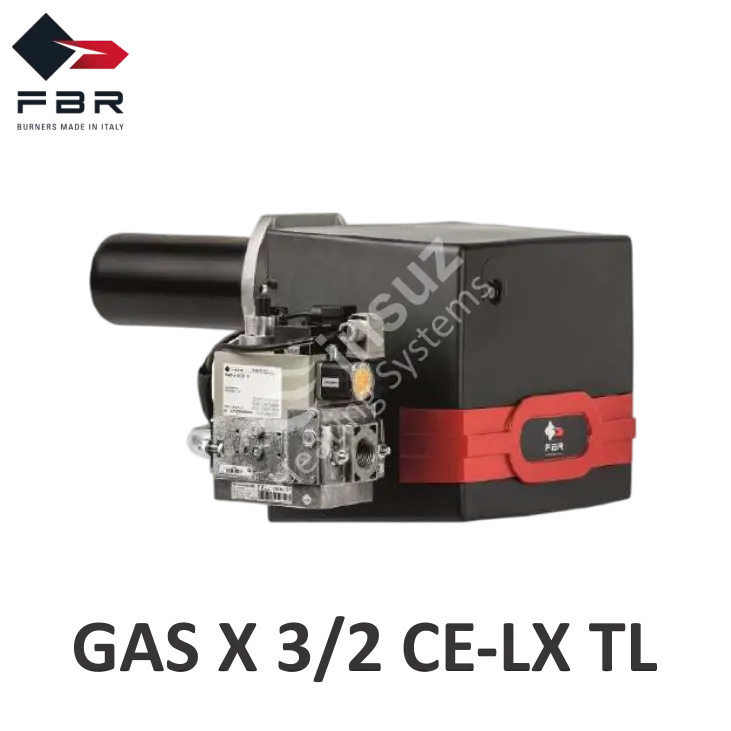
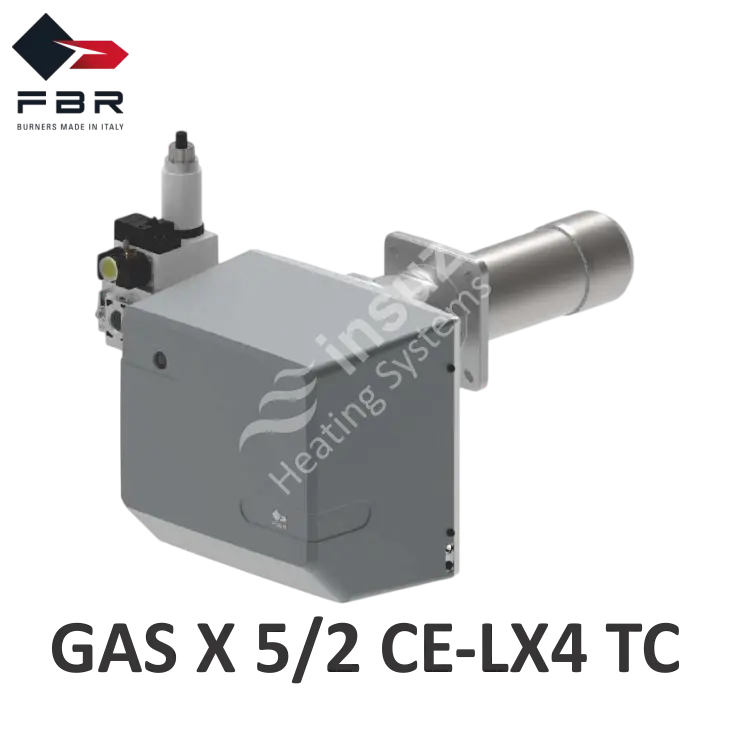
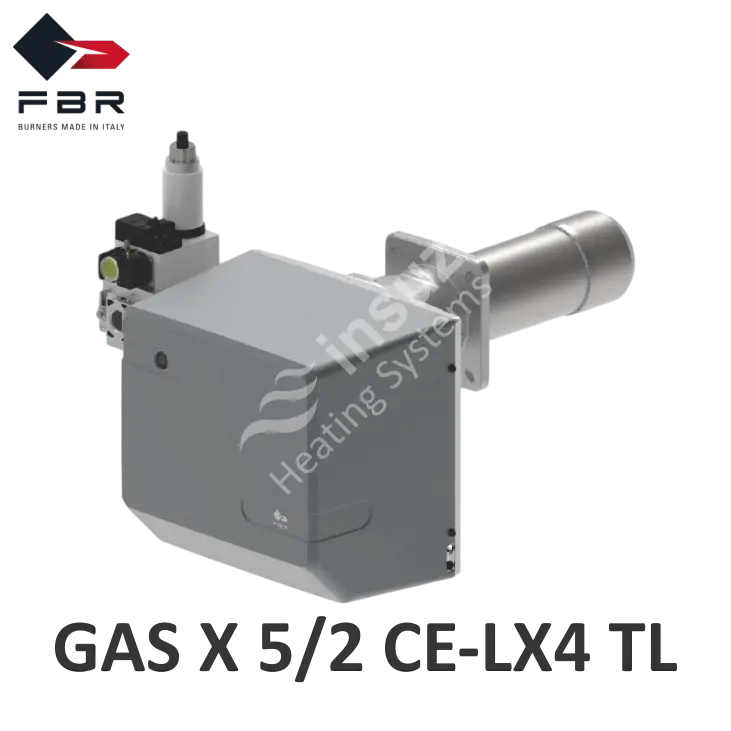
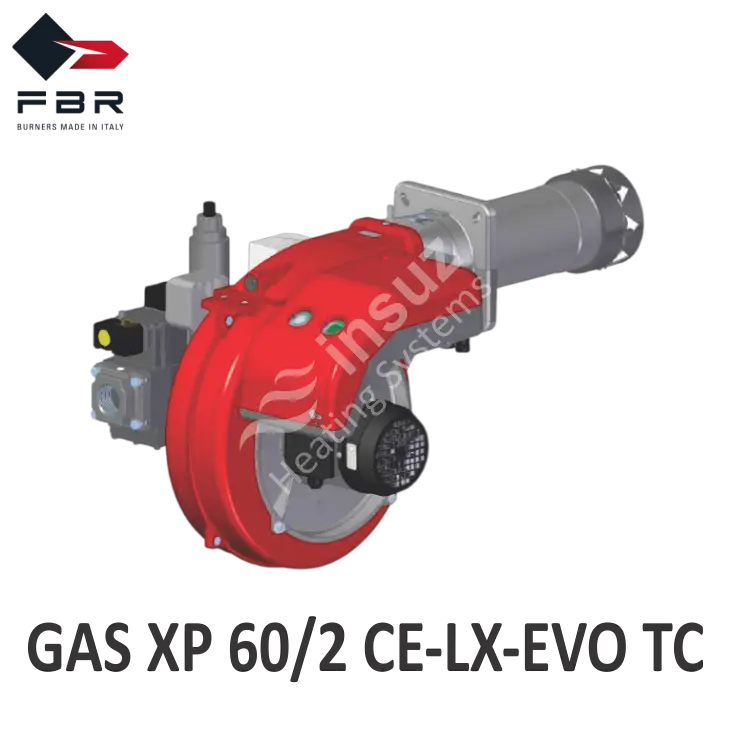
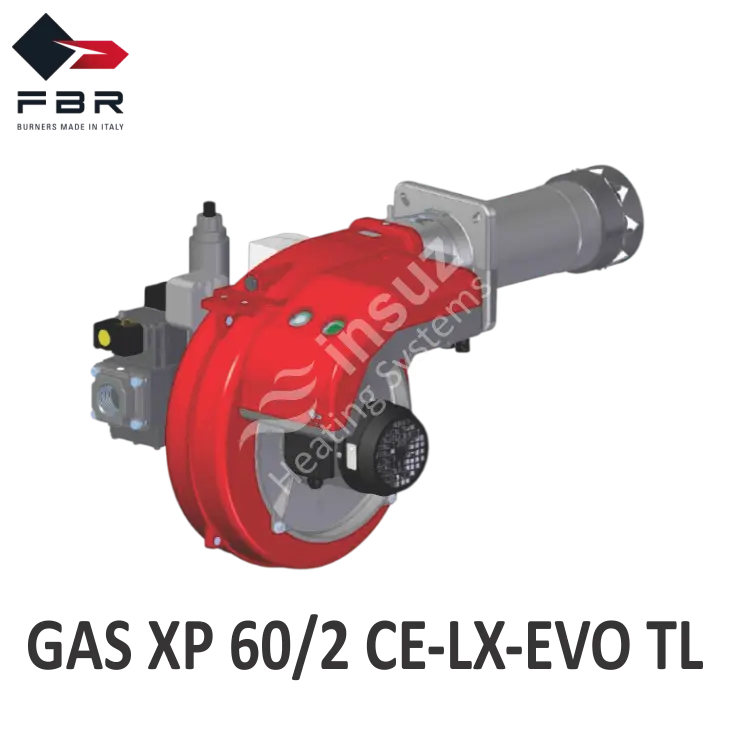
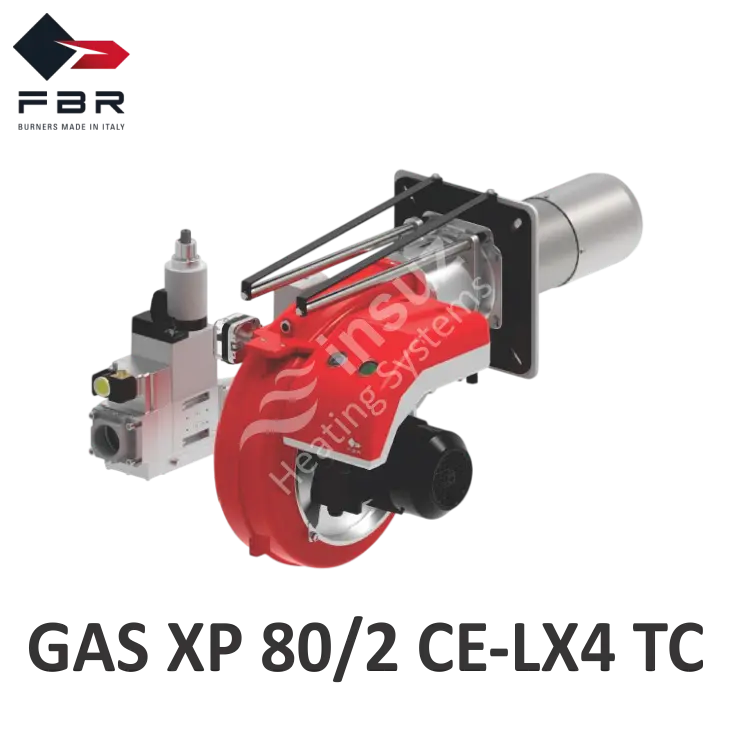
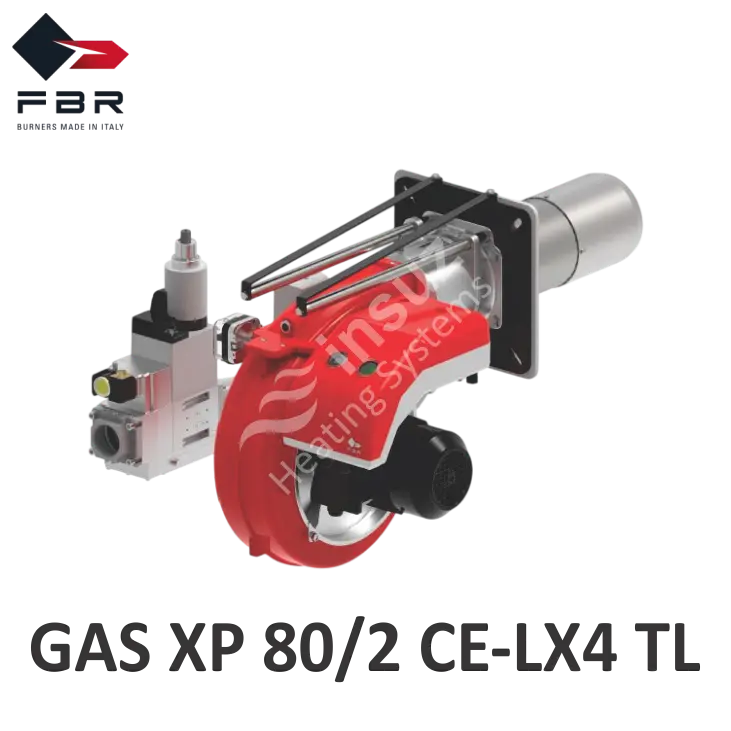
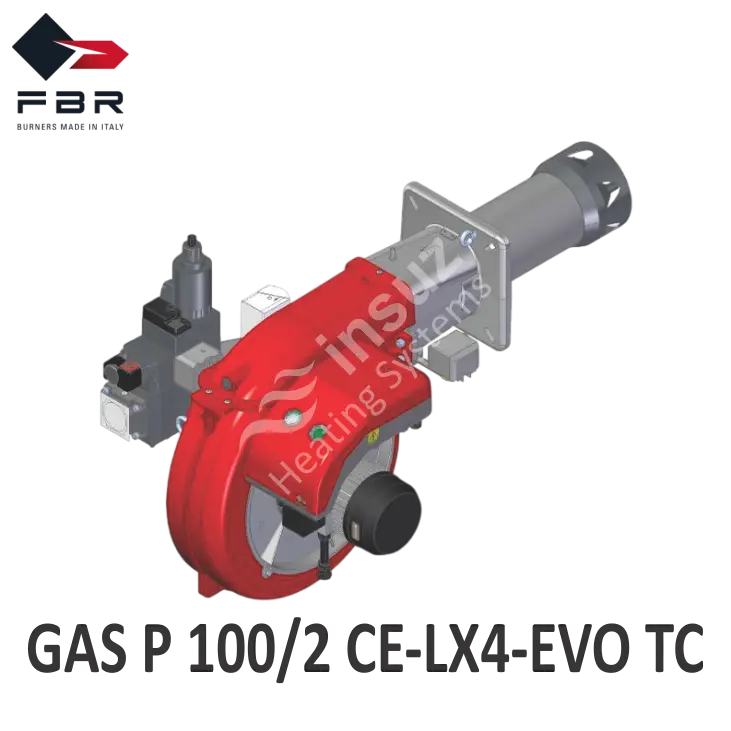
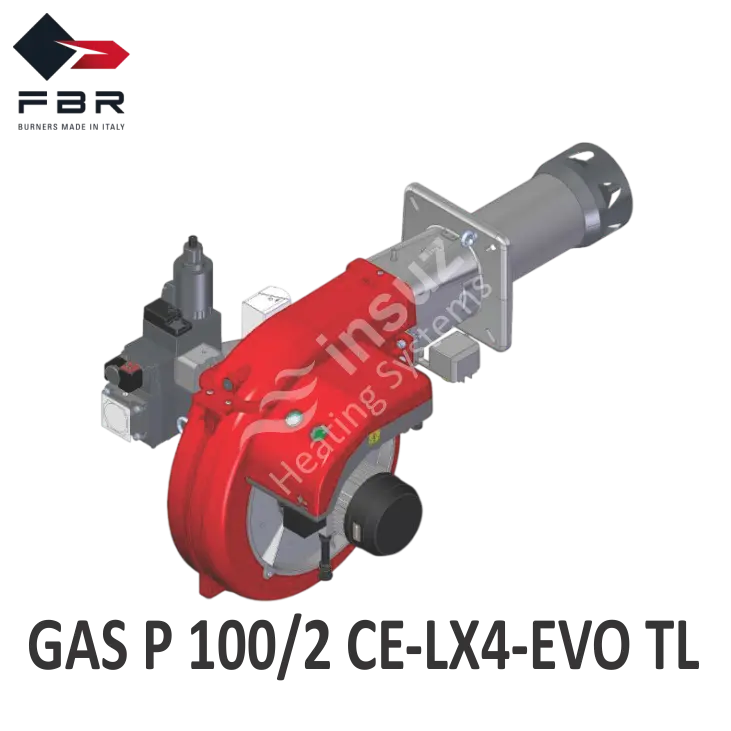
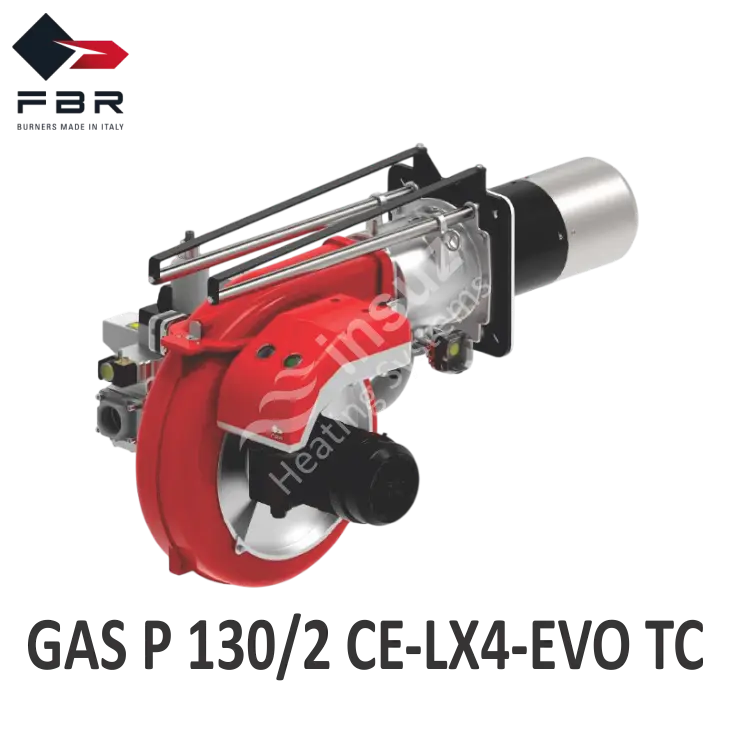
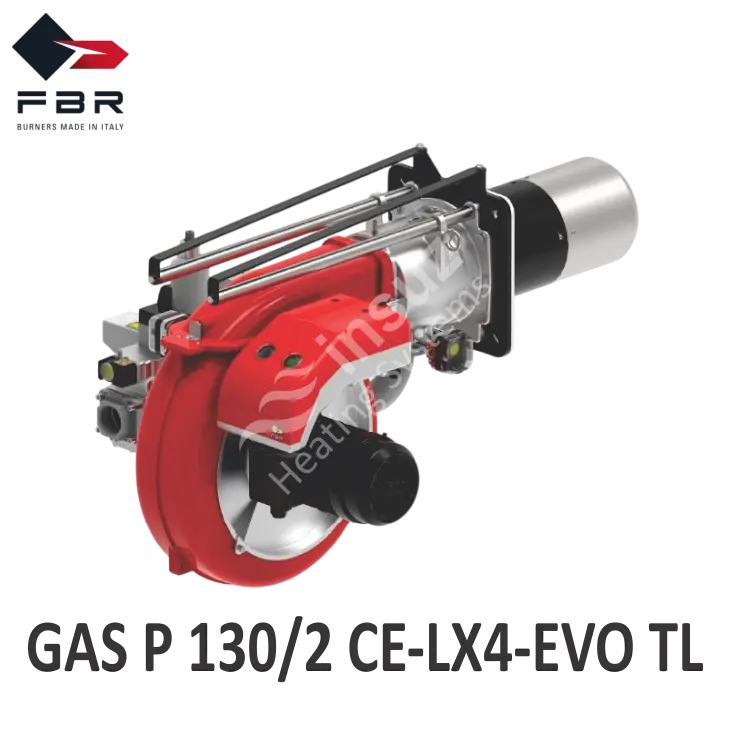
FBR burner models
They offer solutions that provide high efficiency and reliability in industrial heating systems. Thanks to the wide product range, you can achieve the required performance for different needs with gas, diesel oil, fuel oil and dual-fuel options.
Follow our YouTube page for other Insuz products
FBR Two Stage Gas Low Nox Burner – Introduction and Basic Definitions
The FBR Two Stage Gas Low Nox Burner is an advanced combustion equipment developed to increase combustion efficiency, minimize emission values and optimize fuel economy in modern industrial heating and process applications. These burners perform the combustion process at two different capacity stages, delivering high thermal performance both at low load and at full capacity. At the same time, low NOx technology provides a combustion profile that complies with environmental requirements.
This article explains in detail the operating principles, design criteria, engineering details, advantages and sector-specific application areas of FBR Two Stage Gas Low Nox Burners. In addition, internal linking to related heating system components is used to strengthen technical integrity.
FBR Two Stage Gas Low Nox Burner – Operating Principle
In this burner type, combustion takes place in two main capacity modes: low stage and high stage. This configuration provides precise control that matches the variable load requirements of the system. The low stage guarantees stable combustion in processes that require low energy, while the high stage delivers maximum power, especially for processes with high temperature requirements.
- Low stage: Optimum air–fuel ratio with minimum NOx formation.
- High stage: Increased air flow rate and power capacity.
- Low NOx technology: Limiting NOx formation through premixed combustion, enlarged combustion chamber volume and controlled turbulence.
- Modulation approach: Reduced energy consumption and a more stable efficiency curve thanks to staged operation.
FBR Two Stage Gas Low Nox Burner – Design Features
The design process is based on thermodynamic optimization, combustion engineering, fluid mechanics and materials science principles. For the burner to operate at high efficiency, the air–fuel mixture must be properly managed, flame stability maintained and the combustion chamber must have suitable geometric characteristics.
- Burner head geometry: Designed to provide a homogeneous mixture and low flame temperature.
- Air damper design: Servo-motor mechanisms that support staged control.
- Fuel distribution nozzles: Optimize flame length and spread.
- Low NOx flame stabilizers: Special flow channels that control NOx formation regions.
- High-temperature-resistant materials: Alloys resistant to thermal fatigue and corrosion.
FBR Two Stage Gas Low Nox Burner – Technical Advantages
The two stage configuration and low NOx technology provide numerous advantages from both an engineering and operational perspective.
- Efficiency increase of around 10–25% in fuel consumption.
- Compliance with environmental regulations thanks to low NOx and CO emissions.
- Reduced mechanical stress and longer equipment life with staged combustion.
- Possibility of more compact heating systems thanks to higher combustion efficiency.
- Optimized airflow that supports quieter operation.
For burners to operate efficiently, selecting a suitable heat generator is also important. For example, when correctly matched with a steam boiler or a hot water boiler, combustion efficiency can be significantly increased. In addition, depending on the process, it is possible to optimize heat transfer via a plate heat exchanger.
FBR Two Stage Gas Low Nox Burner – Engineering Calculations
The main engineering parameters that must be considered in process sizing are as follows:
- Thermal capacity (kW): Burner capacity is determined according to system requirements.
- Combustion efficiency (%): Optimized through burner–boiler compatibility.
- Staged operating curves: Performance analysis at low and high stages.
- Flue gas composition: Verification of combustion quality with NOx, CO and O₂ measurements.
- Excess air factor: A critical parameter for optimum combustion.
FBR Two Stage Gas Low Nox Burner – System Integration
System integration of the burner must be evaluated together with control automation and mechanical installation design. The boiler feed circuit, heat exchangers, pump stations and combustion control equipment must be optimized as a whole.
For example, in high-capacity processes, using a shell and tube heat exchanger or, in applications requiring faster heat transfer, a plate heat exchanger can increase overall system efficiency. If the fuel type is different or a hybrid configuration with a coal-fired system is planned, a pulverized coal burner should be evaluated through a comparative engineering analysis.
FBR Two Stage Gas Low Nox Burner – Application Areas
This section evaluates sector-based application areas from an engineering perspective.
Low NOx Gas Burner – Automotive Industry
In processes such as paint shop ovens, metal heat treatment lines and drying tunnels, low NOx values are of critical importance. The two stage structure safely meets variable loads along the production line.
Low NOx Gas Burner – Energy Sector
In auxiliary boiler circuits, hot water preparation systems and process-related heat recovery units in power generation plants, high-efficiency combustion is required. These burners facilitate compliance with environmental regulations thanks to their low-emission operation.
Low NOx Gas Burner – Construction Sector
In site heating systems, concrete curing processes and hot air generation systems, stable combustion and low fuel consumption are crucial.
Low NOx Gas Burner – Food and Beverage Industry
In hygienic production lines, low NOx gas burners are preferred for boilers used in pasteurization and steam generation.
Low NOx Gas Burner – Chemical and Petrochemical Sector
In high-safety plants, this technology is widely used due to the requirements for controlled combustion, low excess air, high stability and low emissions.
FBR Two Stage Gas Low Nox Burner – Comparative Evaluation
Burners with low NOx technology offer superior engineering characteristics compared to conventional atmospheric or traditional pressure burners.
- NOx values: 40–60% lower compared to conventional burners.
- Energy efficiency: Higher thanks to increased modulation capability.
- Installation flexibility: Compact design.
- Service interval: Longer maintenance intervals.
FBR Two Stage Gas Low Nox Burner – Conclusion and Evaluation
The FBR Two Stage Gas Low Nox Burner provides an optimum solution in modern industrial plants in terms of energy efficiency, low emissions, reliability and process stability. With its two stage combustion structure, it ensures effective performance under variable loads and easily complies with environmental requirements through low NOx technology. When evaluated together with the right boiler, heat exchanger and combustion control system, it can deliver significant savings in operating expenses.
Considering future stricter emission regulations and sustainable production targets, FBR Two Stage Gas Low Nox Burners stand out as a strategic investment from both an engineering and economic standpoint.


 Русский
 Türkçe