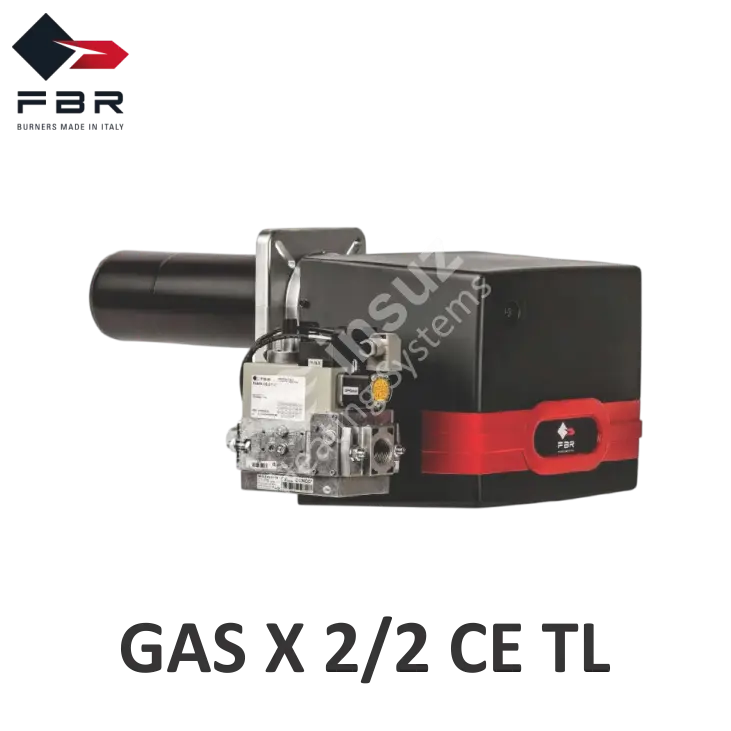
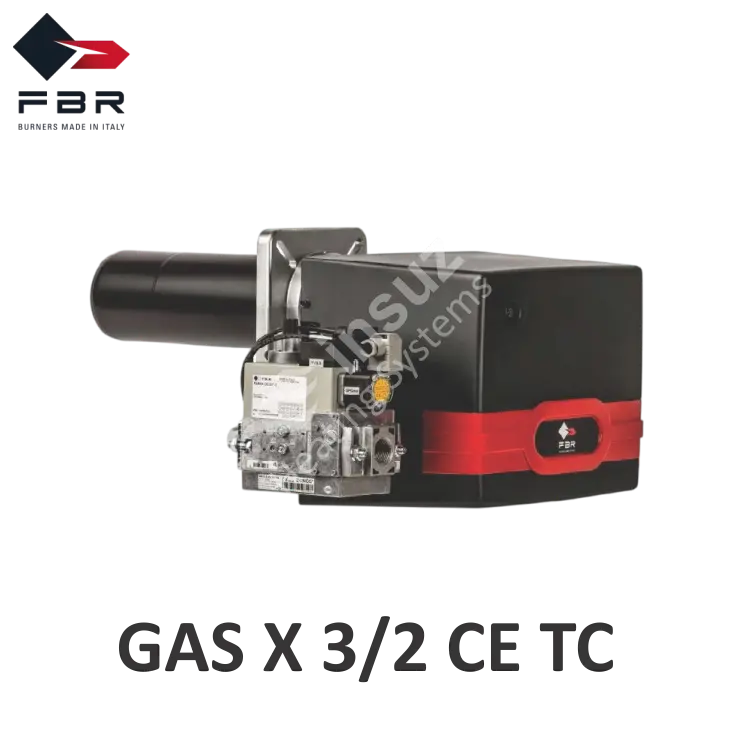
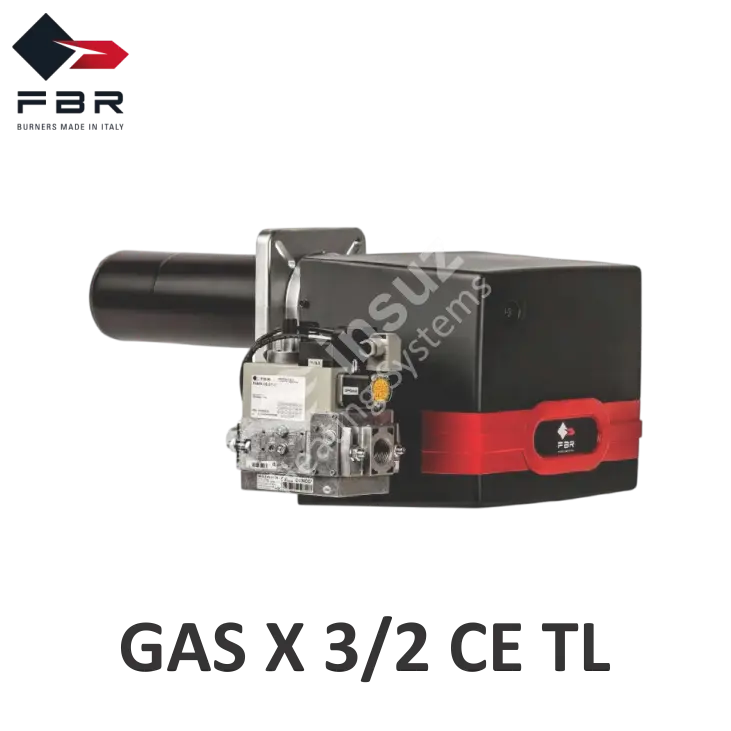
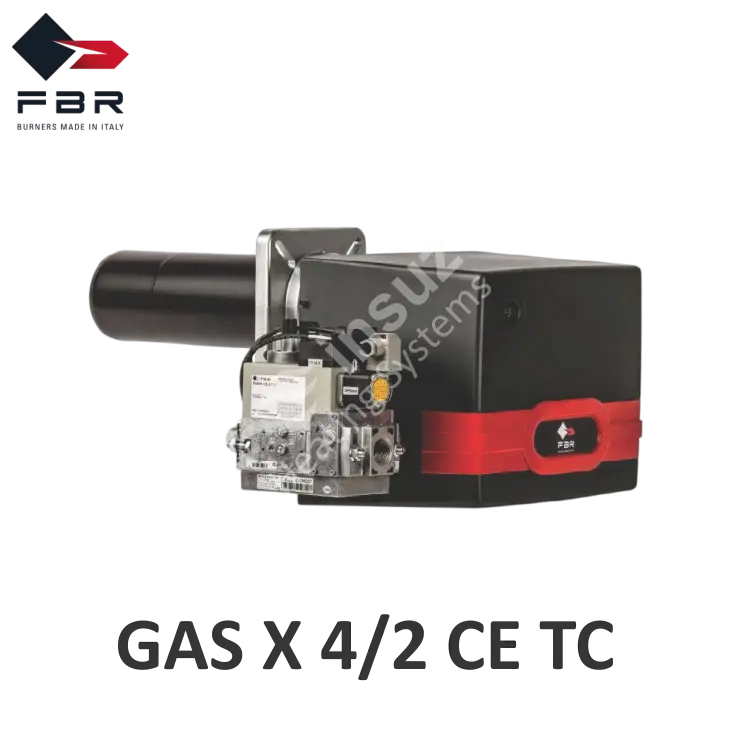
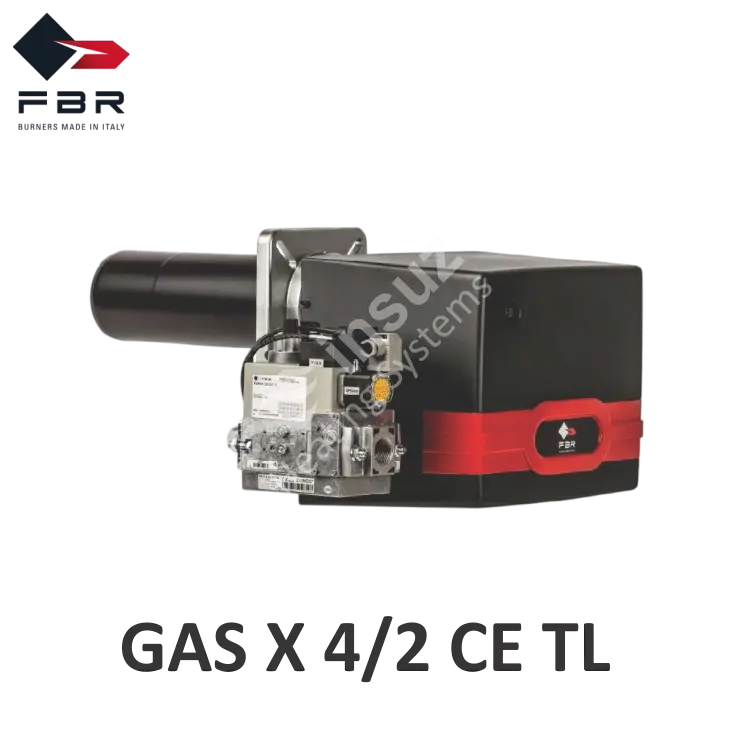
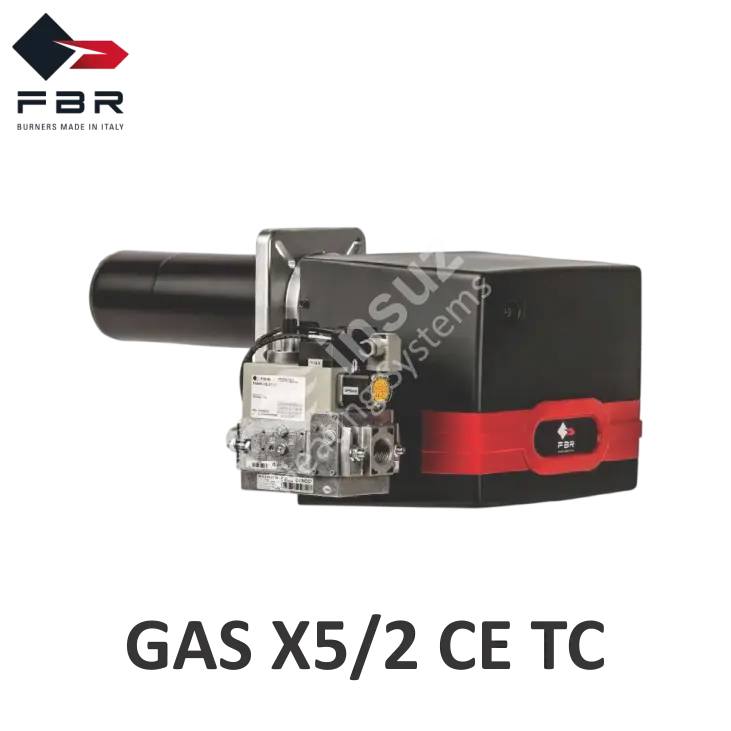
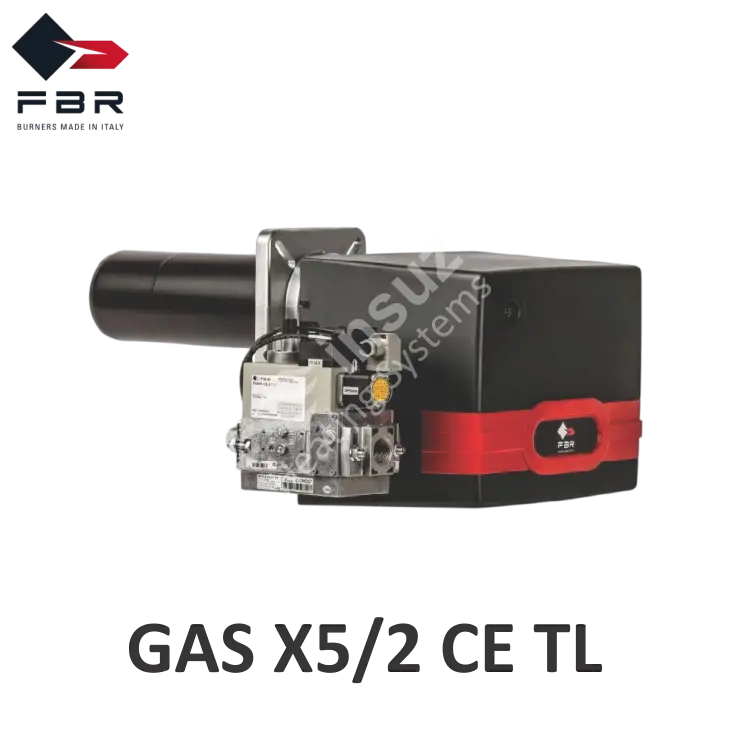
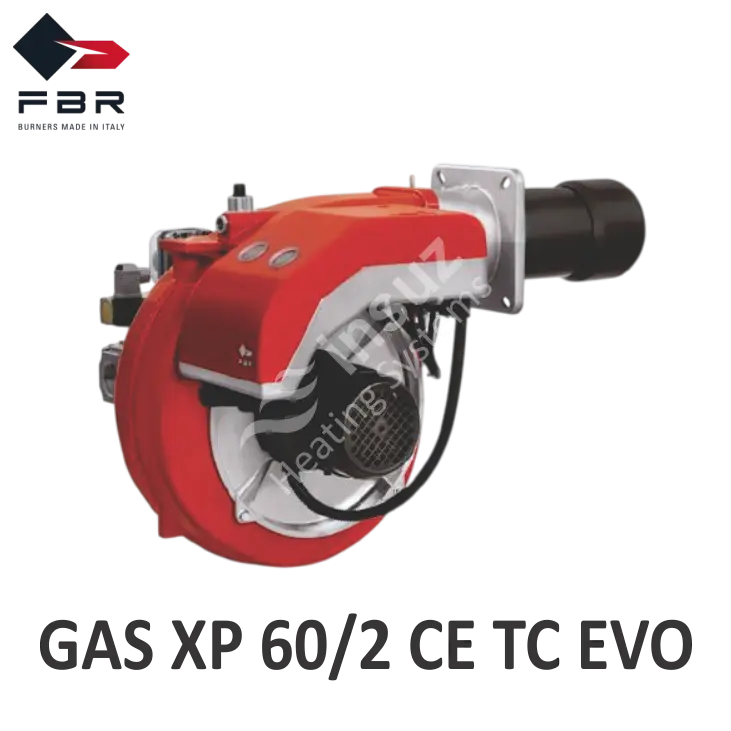
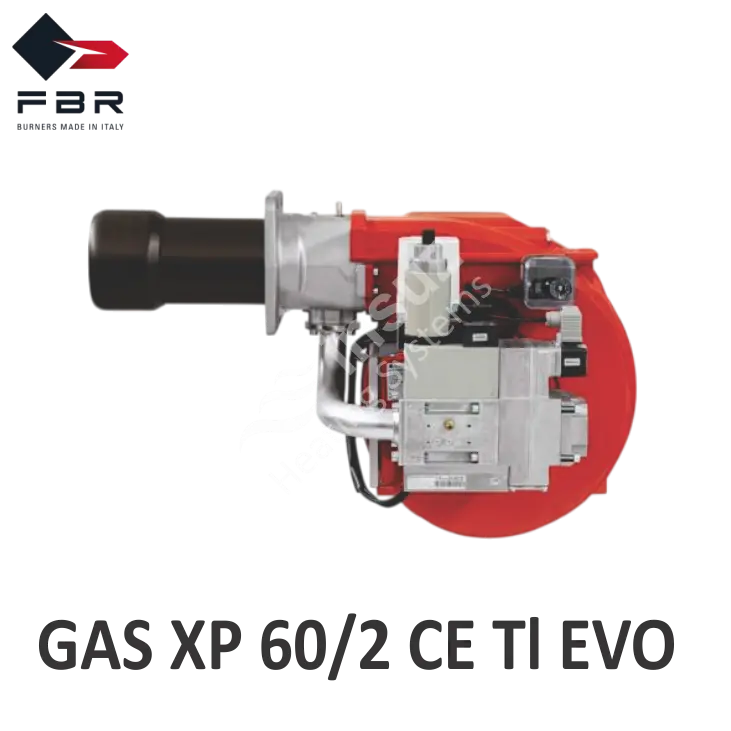
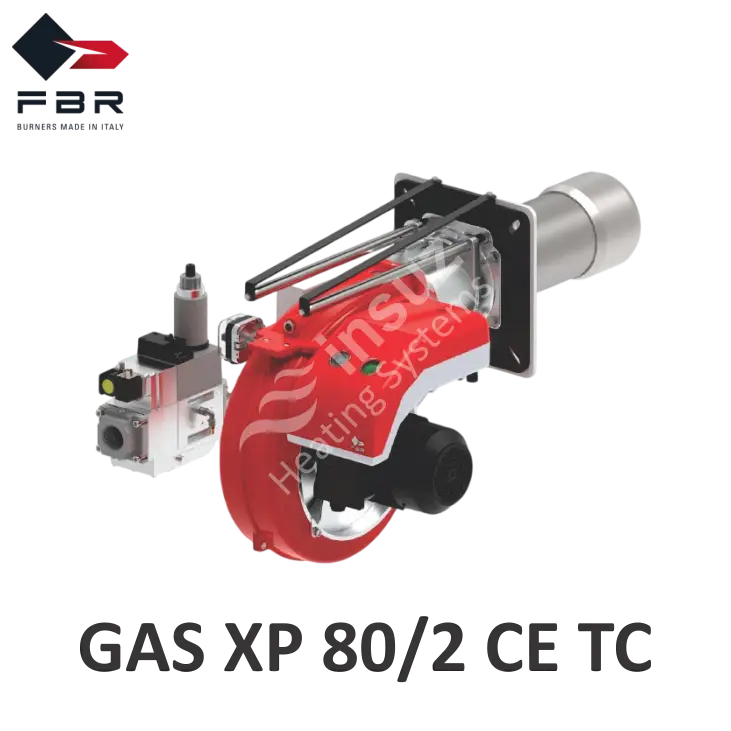
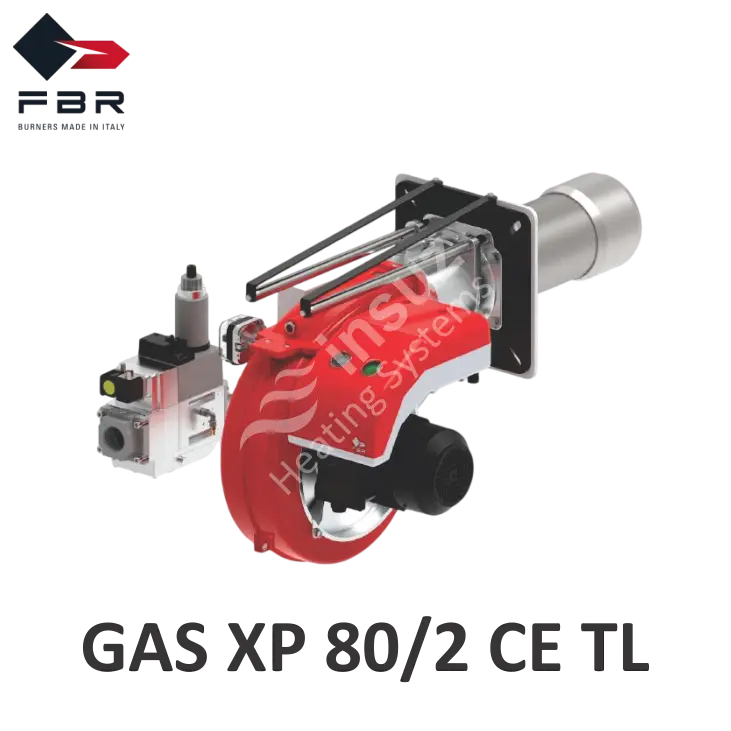
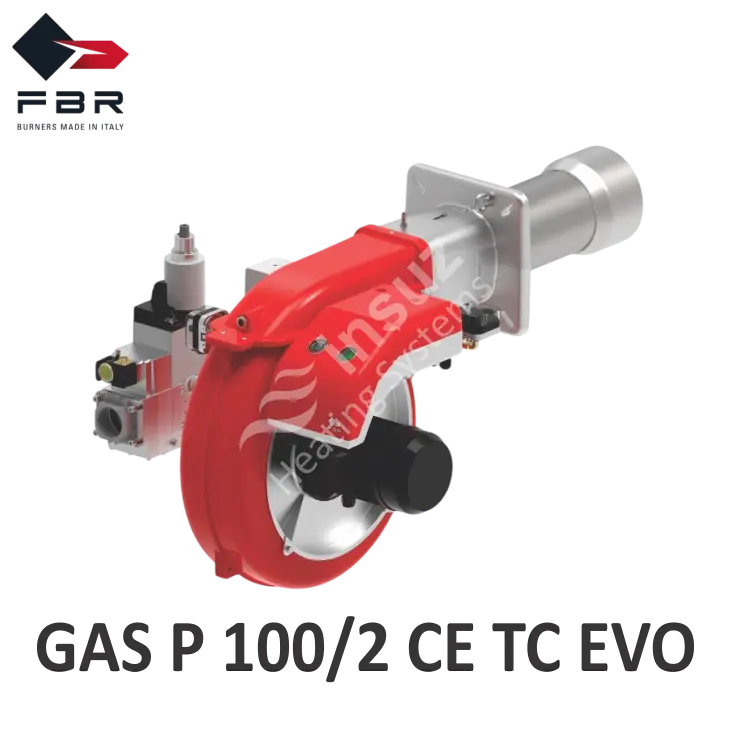
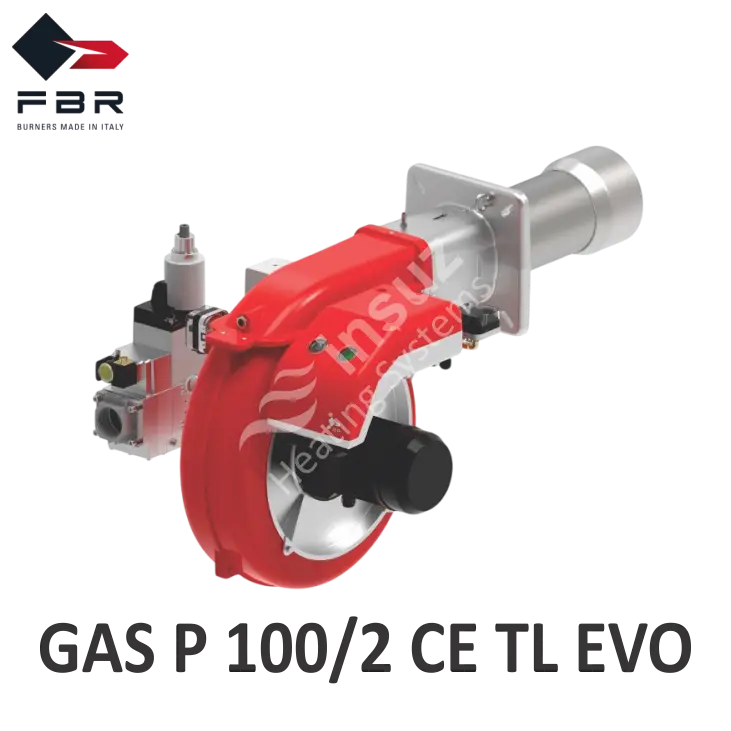
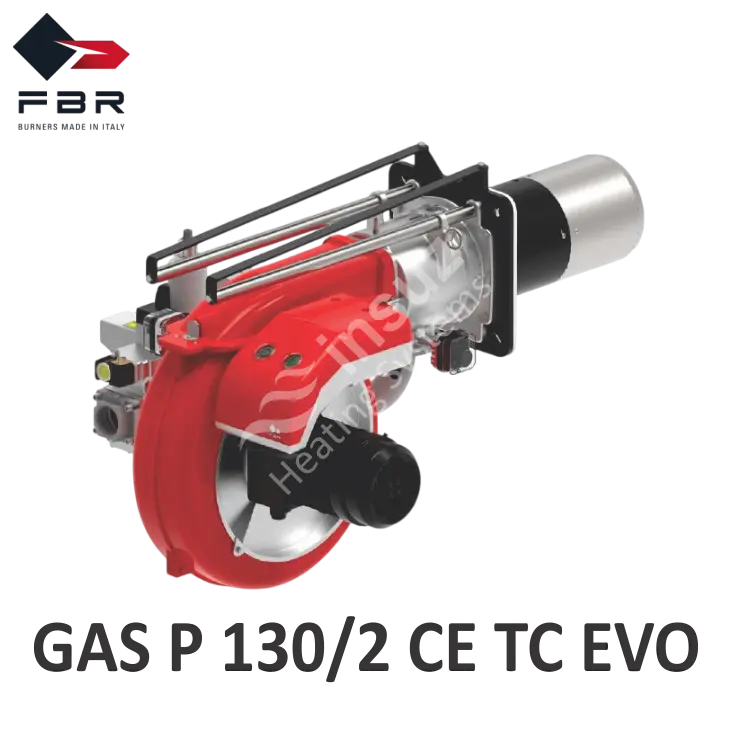
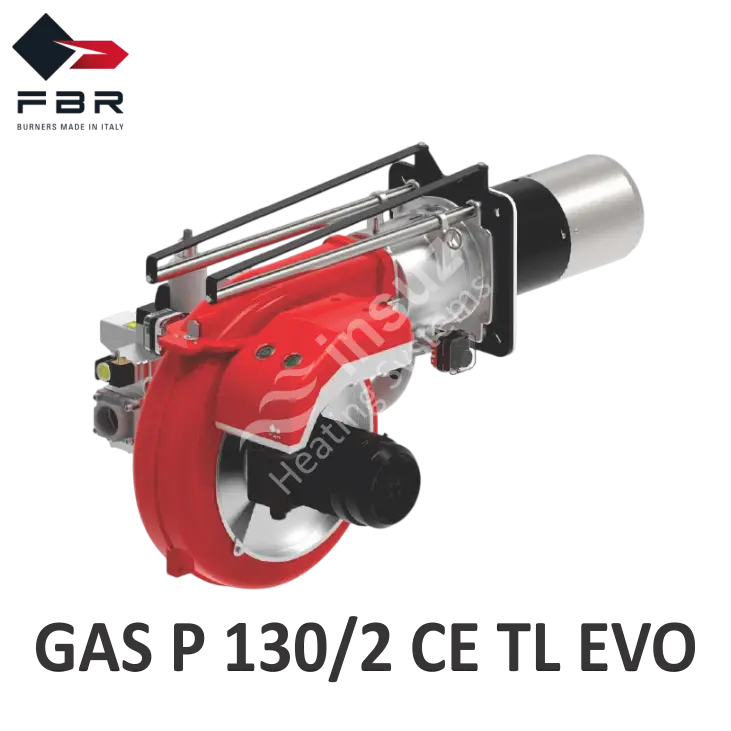
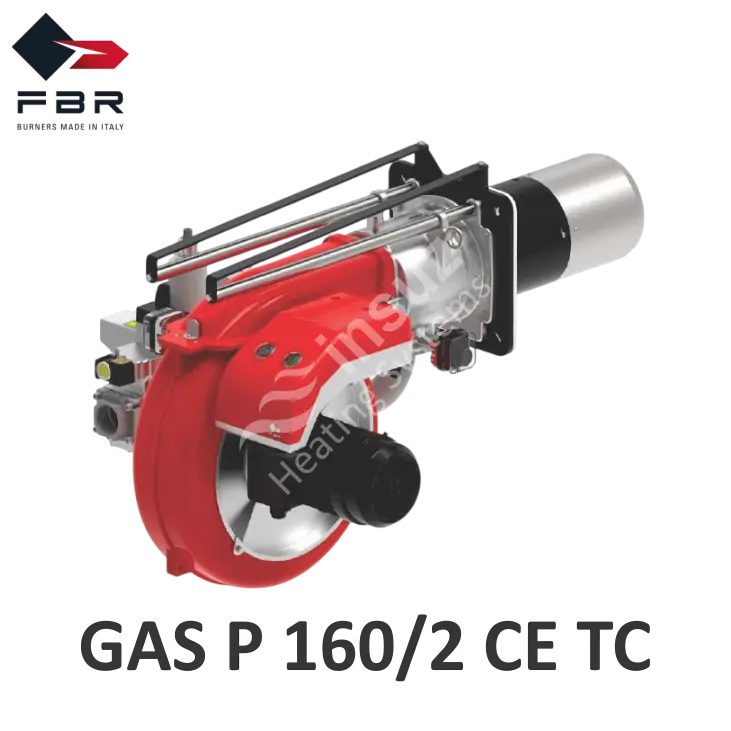
Discover Our Other Heating Solutions!
As İnsuz Heating Systems, we design and implement all heating equipment required in industrial plants in line with engineering principles. To get technical information, engineering and project support, or purchasing assistance on hot water boilers, steam boilers, plate heat exchangers, shell and tube heat exchangers and coal burners, you can contact us here.
We offer solutions specially optimized for each facility, prioritizing efficiency, durability and operational continuity.
For technical reviews, product presentations and engineering content related to heating solutions, you can follow our YouTube channel.
What Is an FBR Two stage Gas Burner?
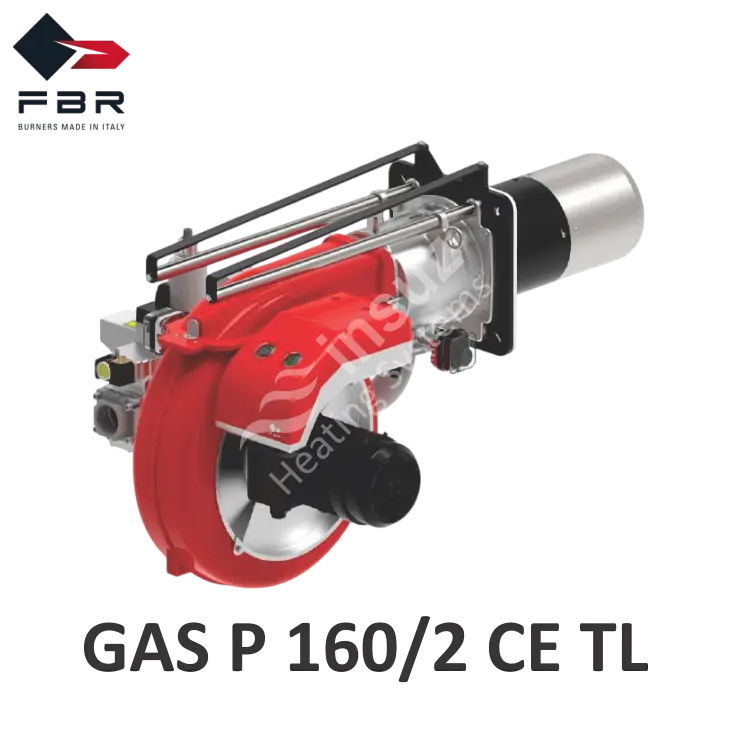
FBR Two stage gas burner is an industrial burner technology that manages combustion capacity at two distinct operating levels, focusing on high efficiency and low emissions. In the first stage, the system provides stable low-load combustion to optimize energy consumption, while in the second stage it delivers high thermal power to meet increased process loads. This structure enhances process safety and provides significant fuel savings. It is preferred for industrial boilers, heating systems and process lines where high performance and reliable heat supply are required.
How Does an FBR Two stage Gas Burner Work?
FBR Two stage gas burner operates through a staged combustion management system. The first stage is activated with a low gas flow rate to ensure stable, low-load combustion. When the heat demand rises, the burner automatically switches to the second stage, increasing the gas flow and generating a stronger flame. This staged operation prevents energy losses and provides optimum stability in boiler pressure and temperature control. Sensors and control modules continuously adjust the combustion ratio, ensuring a safe and highly efficient combustion process.
Key Criteria When Selecting an FBR Two stage Gas Burner
When selecting an FBR Two stage gas burner, the primary criterion is the minimum and maximum thermal power values required by the facility. A mismatch between burner capacity and boiler heat load may lead to low efficiency and emission issues. In addition, gas pressure, combustion chamber geometry, NOx emission limits and automation compatibility are critical parameters. In industrial applications, the burner’s second-stage transition dynamics, flame stability and modulation response should be examined in detail. Installation space dimensions and maintenance accessibility are also key factors that affect long-term operating performance.
Application Areas of FBR Two stage Gas Burners
Thanks to its wide thermal power range and high combustion stability, the FBR Two stage gas burner is used in many industrial heating processes. It is preferred particularly in hot water boilers, steam boilers, high-temperature hot water systems, thermal oil systems and process heating lines where high reliability is required. The Two stage design offers energy savings and low emission advantages in facilities with variable load demands. Especially in textile, food, chemical, metal processing and central HVAC applications, the burner’s stable performance provides a major advantage in terms of operational continuity.
Emission Values and Environmental Impact of FBR Two stage Gas Burners
FBR Two stage gas burner is designed to achieve low NOx and CO emission values thanks to its optimized combustion composition. Low-flow combustion in the first stage keeps excess oxygen at ideal levels, creating a clean combustion environment. When switching to the second stage, high turbulence is generated in the combustion chamber, increasing complete combustion efficiency and minimizing unburned gas emissions. This technology complies with environmental regulations while helping reduce energy costs for plants. It offers a significant advantage in achieving sustainable operation targets, especially in high-capacity facilities.
Comparison of FBR Two stage Gas Burners with Single-Stage Burners
The FBR Two stage gas burner offers a more advanced combustion management compared to single-stage burners, providing superior performance in terms of both efficiency and emissions. While single-stage burners can only operate at full capacity, Two stage systems switch between low and high stages to optimize energy consumption. As a result, the boiler does not overheat, thermal stress is reduced and component service life is extended. In addition, the Two stage configuration responds more smoothly to process load fluctuations, enabling more precise control of pressure and temperature. This control flexibility, which reduces operating costs in industrial applications, makes the Two stage design technically more advantageous.


 Русский
 Türkçe